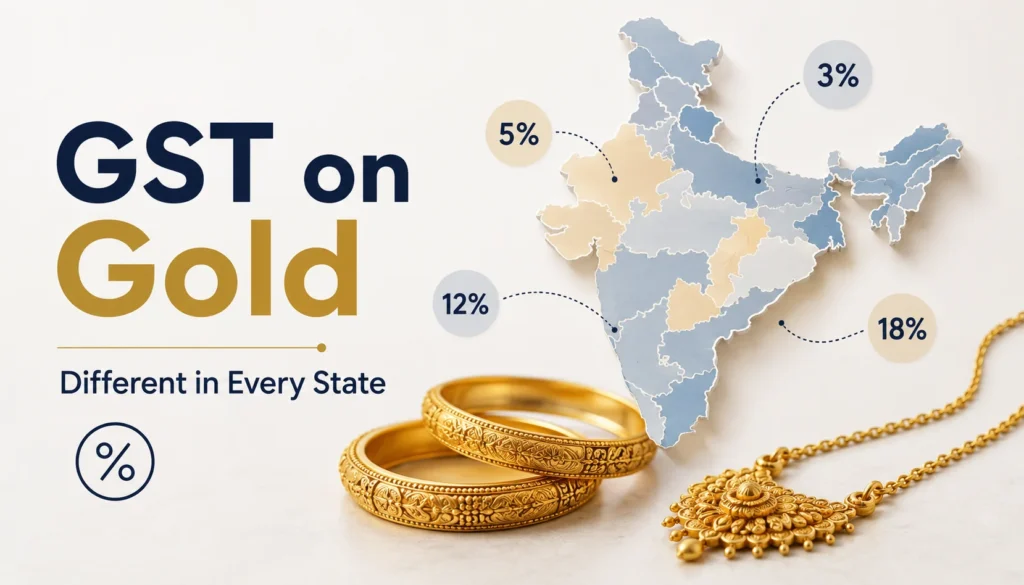
No, GST on gold is exactly the same everywhere in India: 3% on the gold’s value and 5% on making charges, whether you’re buying in Kerala, Tamil Nadu, Delhi, or anywhere else. There’s no state that charges a different GST rate on gold. If you’ve noticed gold prices looking different from city to city, that’s real, but it isn’t GST. Here’s what’s actually going on, plus one genuine exception worth knowing about.
Page Contents
Why GST on Gold Can’t Legally Vary by State
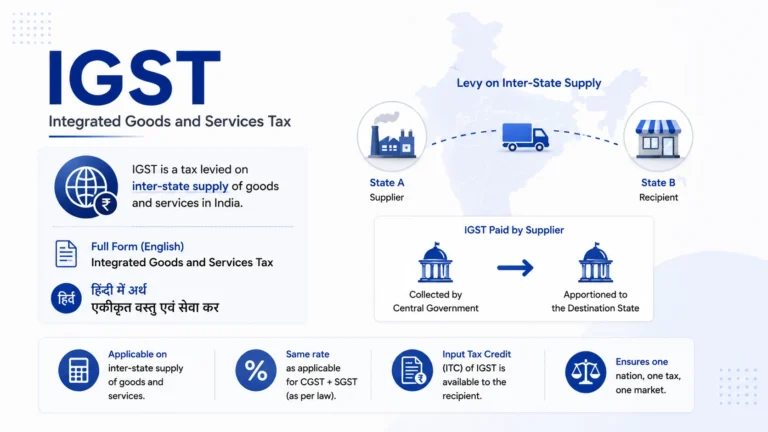
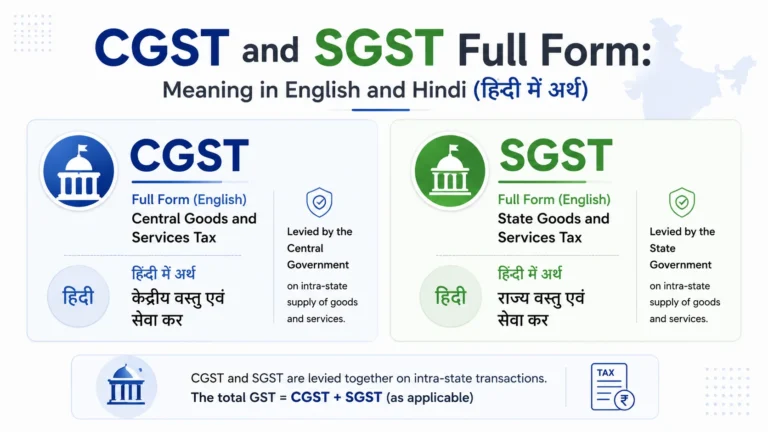
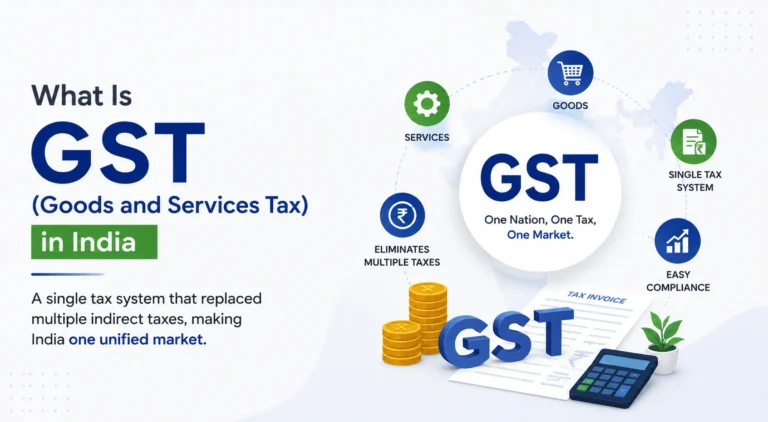
GST splits into Central GST (CGST) and State GST (SGST) for purchases made within a state, but this is just an accounting split, not a rate difference. Both halves are fixed at 1.5% each by the GST Council, a body that sets rates nationally, not state by state. For an inter-state purchase, it shows as a single 3% IGST line instead. Either way, the total tax you pay is identical no matter which state you’re standing in. This uniformity was one of GST’s core design goals when it replaced the old system of state-specific VAT rates in July 2017.
So Why Do Gold Prices Still Look Different in Kerala, Chennai or Pune?
If the tax is the same everywhere, the price differences you’re seeing come from a few other factors entirely:
- Making charges: These are set by individual jewellers, not the government, and vary a lot by region, competition, and local convention. Areas with a high density of jewellers competing for business (Kerala and Karnataka are well known for this) tend to see lower making charges than areas with less competition.
- Local jewellers’ association pricing: In many states, jewellers’ associations publish a daily “reference rate” for gold that local stores price against. These reference rates can differ slightly from city to city even though the underlying tax treatment is identical.
- Transport and logistics costs: Getting gold to smaller or more remote markets costs more than supplying a major metro, and that cost can filter into the final price.
- Market volume and demand: Southern states account for a large share of India’s total gold consumption, and that trade volume and competitive intensity tends to push making charges down, not the GST rate.
If you’re comparing prices across cities, the useful comparison is the making-charge percentage and the base gold rate quoted, not the tax, since the tax component is identical everywhere.
The One Genuine State-Specific Rule: Kerala’s E-Way Bill Requirement
While the GST rate on gold doesn’t vary, there’s one real compliance difference worth knowing: Kerala was the first state in India to mandate e-way bills for the intra-state movement of gold, specifically for gold worth more than ₹10 lakh moved within the state. In most of India, gold is actually exempt from standard e-way bill requirements. This rule doesn’t affect what a retail buyer pays in tax, but it’s a genuine, documented case of state-specific gold regulation, distinct from anything about the GST rate itself, and it mostly matters for jewellers, bullion dealers, and transporters rather than individual shoppers.
The Real History: How Kerala Nearly Changed Gold’s GST Rate for Everyone
This part doesn’t usually make it into rate explainers, but it’s worth knowing if you’ve wondered why gold ended up at exactly 3%.
In the lead-up to GST’s July 2017 rollout, there was genuine disagreement over what gold’s rate should be. Kerala’s jewellers’ association, along with the All India Gems and Jewellery Trade Federation, pushed hard for a flat 1.25% rate, arguing that gold’s low margins couldn’t absorb a higher tax without hurting the trade. The India Bullion & Jewellers Association took a different position, anticipating a rate closer to 8% paired with a cut in import duty.
Kerala’s own state government, however, argued for something higher, around 4-5%, for a very practical reason: the state was collecting roughly ₹400 crore a year from its existing 5% VAT on gold, and a much lower national GST rate risked a real hit to state revenue.
The GST Council settled on 3% as a compromise between these competing interests: higher than what the jewellery trade wanted, lower than what revenue-concerned states like Kerala were pushing for. That 3% figure has stayed untouched since, including through the September 2025 GST 2.0 rate rationalisation that restructured most other goods into new slabs.
Has the GST Rate on Gold Changed by State Over the Years (2021, 2022, etc.)?
No, and this applies uniformly across every state. If you’ve searched for “gold GST rate in Kerala 2021” or similar year-specific, state-specific queries, the answer is the same regardless of the year or state: 3% on gold value and 5% on making charges, unchanged since July 2017. Any price difference you’re recalling from a past purchase almost certainly reflects a different making-charge percentage or a different gold rate on that particular day, not a change in tax.
Frequently Asked Questions
Is GST on gold different in Kerala compared to other states? No. The GST rate is identical nationwide. Kerala does have one unique compliance rule (an e-way bill requirement for gold movement over ₹10 lakh within the state), but this doesn’t change the tax rate buyers pay.
Why is gold cheaper in Kerala and Karnataka than in other states? Not because of a different GST rate, since that’s uniform everywhere. It’s mainly due to lower making charges driven by intense competition among jewellers and high local trade volume in these states.
Is GST on gold different in Tamil Nadu compared to other states? No, the rate is the same 3% on gold value and 5% on making charges as everywhere else in India.
Does GST on gold vary between cities like Chennai, Pune, or Mumbai? No. The GST rate is set nationally and doesn’t vary by city or state. Price differences you see come from making charges and local market conditions, not tax.
Was gold’s GST rate ever going to be different, like 1.25% or 5%? Yes, briefly, during pre-GST negotiations in 2017. Jewellery trade bodies pushed for 1.25%, while Kerala’s state government pushed for 4-5% over revenue concerns. The GST Council settled on 3% as a compromise, and it has stayed there since.
Why does Kerala have special gold transport rules if the tax rate is the same? Kerala’s e-way bill requirement for gold is a state-level compliance and anti-evasion measure, separate from the GST rate itself. It’s about tracking movement of high-value gold, not taxing it differently.
Disclaimer: This article is for general informational purposes only and does not constitute financial, tax, or legal advice. GST rules and state-specific compliance requirements are subject to change. Please verify current requirements with the GST Council or a qualified chartered accountant before relying on this information for compliance purposes.
Read More: GST on Gold in India 2026: 3% Rate on Gold, Jewellery & Making Charges