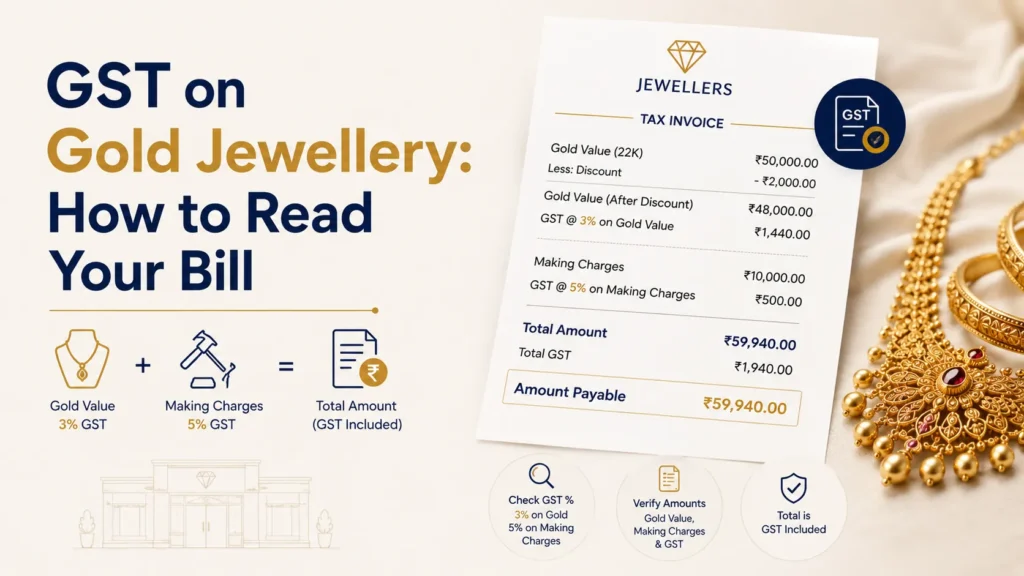
GST on gold jewellery is 3% on the gold’s value and a separate 5% on making charges. Both show up as distinct line items on a correctly issued bill. If you’ve ever looked at a jewellery invoice and struggled to work out whether you were charged fairly, this guide walks through exactly what a compliant gold jewellery GST bill should contain, line by line, so you can check your own.
Page Contents
What a GST-Compliant Gold Jewellery Bill Should Contain
A proper jewellery invoice isn’t just a price and a total. Under GST rules, it needs to show enough detail for both you and the tax department to verify the transaction. A compliant bill has seven components:
- Seller details — jeweller’s name, address, and GSTIN (a 15-digit GST registration number; if this is missing or looks off, the seller may not be GST-registered at all)
- Buyer details — your name and the invoice date
- Itemised ornament description — weight, purity (18K/22K/24K), gold rate applied, and HSN code (usually 7113 for jewellery)
- Making charges — shown separately, either as a flat amount or a percentage
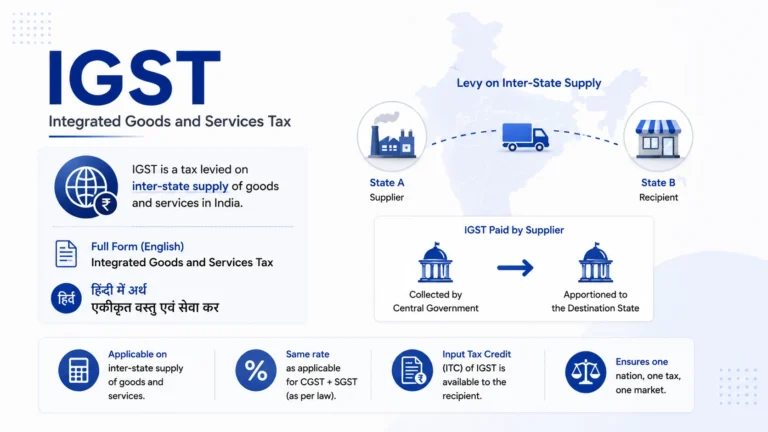
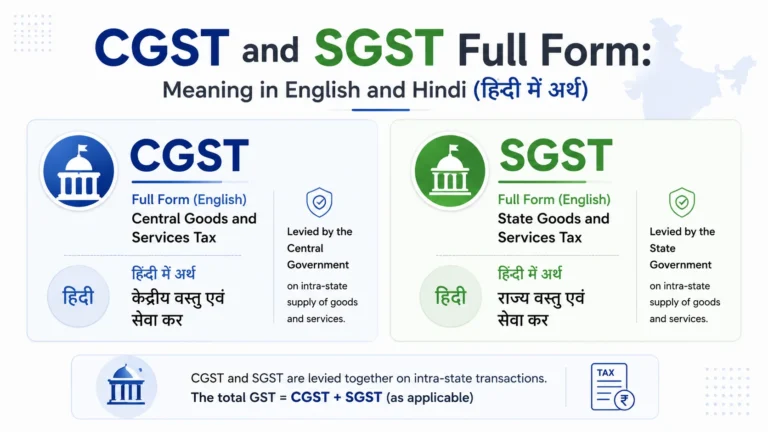
- GST calculation — CGST + SGST (or IGST for inter-state) shown separately for the gold value and the making charges, since they’re taxed at different rates
- Payment summary — final payable amount and mode of payment
- Authenticity declaration — hallmarking details, purity certification
If any of the tax-related fields (GSTIN, HSN code, or the CGST/SGST breakup) are missing, that’s worth flagging with the jeweller before you pay, not after.
Not All Jewellery Bills Are the Same Document Type
Jewellers issue different invoice types depending on what’s actually happening in the transaction, and it helps to know which one you should be getting:
- Tax Invoice — the standard document for any taxable sale of gold, silver, or diamond jewellery. This is what you should receive for a normal purchase.
- Bill of Supply — used for exempt or non-taxable items, where no GST applies.
- Advance Receipt Voucher — issued if you’ve paid an advance before the piece is delivered, common for custom orders.
- Job Work Challan — issued when you send jewellery out for repair, polishing, or resizing, tracking the item’s movement rather than a sale.
If you’re buying a finished piece off the shelf, you should be getting a Tax Invoice, not any of the other three.
Is GST Different for Imitation Jewellery?
Real gold, silver, diamond, and platinum jewellery is taxed at 3% on the metal/stone value. Imitation or artificial jewellery (no precious metal content, HSN 7117) is also generally taxed at 3%, though this specific classification has more inconsistency across sources than gold’s rate does, so if you’re a business billing imitation jewellery specifically, confirm the applicable rate for your exact product code against the current CBIC notification or with a GST practitioner before invoicing, rather than relying on this or any single article.
Sample Gold Jewellery GST Bill (Annotated)
Here’s what an itemised bill looks like for an 18-gram, 22-carat gold bangle set, assuming a gold rate of ₹13,800/gram and making charges billed separately at 12%:
| Line Item | Description | Amount |
|---|---|---|
| Item | 22K gold bangle set, 18g, HSN 7113 | — |
| Gold value | 18g × ₹13,800 | ₹2,48,400 |
| Making charges (12%) | 12% of ₹2,48,400 | ₹29,808 |
| CGST on gold value (1.5%) | 1.5% of ₹2,48,400 | ₹3,726 |
| SGST on gold value (1.5%) | 1.5% of ₹2,48,400 | ₹3,726 |
| CGST on making charges (2.5%) | 2.5% of ₹29,808 | ₹745 |
| SGST on making charges (2.5%) | 2.5% of ₹29,808 | ₹745 |
| Total payable | ₹2,87,150 |
Notice that GST on the gold value and GST on making charges are calculated and shown as separate line pairs, not lumped into a single “GST” figure. That split is what makes a bill genuinely GST-compliant rather than just GST-inclusive. Some jewellers bill gold and making charges together as a composite supply, showing a single 3% line on the combined value instead. Either method is valid under GST rules, but a split bill makes it far easier for you to verify the making-charge percentage you actually agreed to.
What Each Line on the Bill Actually Means
GSTIN: Confirms the seller is registered and legally allowed to charge GST. You can verify any GSTIN on the government GST portal if you want to double-check.
HSN code: A classification code for the item. Gold jewellery is typically 7113; making charges or job work sometimes appears under 9988. This mainly matters for the jeweller’s compliance, but its presence on your bill is a basic sign of a properly generated invoice rather than a handwritten estimate.
CGST/SGST vs IGST: For an in-state purchase, tax splits evenly into Central GST and State GST (1.5% + 1.5% on gold, 2.5% + 2.5% on making charges). For an inter-state purchase (buying from a jeweller in a different state and having it shipped, for instance), it’s shown as a single IGST line instead. The total tax amount works out the same either way.
Wastage charges: Some bills include a separate “wastage” line, covering the small amount of metal lost during crafting. This isn’t a GST component; it’s a cost the jeweller adds to the gold value, and 3% GST then applies to gold value plus wastage combined, if wastage is billed as part of the metal cost rather than as a service charge.
Red Flags to Watch For on a Jewellery Bill
A few things worth double-checking before you pay:
- No GSTIN listed — the seller may not be GST-registered, which raises questions about the invoice’s validity for any future resale or insurance claim
- A single unexplained “tax” or “charges” line with no CGST/SGST/IGST breakdown — you can’t verify what rate was actually applied
- Making charges bundled invisibly into the gold rate — if the quoted “gold rate per gram” is noticeably higher than the day’s market rate with no separate making-charge line, the making charge may be hidden inside it, making it harder to compare against other jewellers
- GST charged on discounts or exchange value incorrectly — GST should apply to the net taxable value after any genuine discount, not before it
If something looks off, the simplest fix is asking the jeweller to reissue an itemised bill before payment, not after.
Has the GST Rate on Gold Jewellery Changed Since 2021?
No. If you’ve searched “gst on gold jewellery 2021” or “gst rate on gold jewellery 2022” because you’re comparing an old bill to a recent one, the rate hasn’t moved: it’s been 3% on gold value and 5% on making charges consistently since GST replaced the old VAT and excise structure in July 2017. The September 2025 GST 2.0 rate rationalisation, which restructured most other goods into new slabs, specifically left gold untouched. So if your 2021 invoice and your 2026 invoice show different total tax percentages, the difference is almost certainly in the making-charge percentage the jeweller applied, not in the GST rate itself.
Gold Ornaments vs Gold Jewellery — Is There a GST Difference?
No, these terms are used interchangeably in everyday language and on invoices, and GST treats them identically. “Ornaments” typically refers to traditional or ceremonial gold pieces, while “jewellery” is the broader term, but both fall under the same HSN classification (7113) and the same 3%/5% tax structure. You won’t find a different rate quoted for one versus the other on any legitimate bill.
Does the Same GST Apply to Silver, Diamond and Platinum Jewellery?
Yes. If your jewellery combines metals or includes stones, it’s worth knowing the structure doesn’t change: silver jewellery, diamond jewellery, and platinum jewellery all attract the same 3% GST on metal/stone value and 5% GST on making charges. The only exception is loose, unset precious and semi-precious stones (not yet part of a finished piece), which are taxed separately at 0.25%. Once those stones are mounted into a finished piece of jewellery, the full item is billed under the standard jewellery rate.
Frequently Asked Questions
What is the GST rate on gold jewellery? 3% on the gold’s value, plus a separate 5% on making charges, whether shown as split lines or combined into a single composite-supply rate.
What should a gold jewellery GST bill look like? It should show seller GSTIN, itemised weight and purity, HSN code, making charges as a separate line, and GST calculated separately (or clearly combined) for gold value and making charges, plus a final payable total.
Is GST included in the price shown on the tag? Not usually. Tag prices generally reflect the gold rate and sometimes making charges, but GST is added at billing. Always ask for a GST-inclusive quote before finalising a purchase.
Why does my bill show CGST and SGST instead of just GST? For purchases within your own state, GST splits into Central GST and State GST, each at half the total rate. For inter-state purchases, it shows as a single IGST line. The total tax you pay is the same either way.
Has the GST rate on gold jewellery changed in 2026? No. It has remained 3% on gold value and 5% on making charges since 2017, unaffected by the September 2025 GST 2.0 restructuring.
Is GST different for gold ornaments compared to gold jewellery? No, both terms refer to the same product category under GST and are taxed identically.
Is GST different for imitation or artificial jewellery? Generally no — imitation jewellery (HSN 7117) is also typically taxed at 3%, similar to real gold jewellery, though this classification shows more inconsistency across sources than gold’s rate does. Confirm with a GST practitioner if you’re billing imitation jewellery commercially.
Can I claim a GST refund on jewellery I return or exchange? Generally no for a straightforward return; exchanges are typically billed on the value addition only (see our detailed guide on GST when buying and selling gold for the full breakdown).
Disclaimer: This article is for general informational purposes only and does not constitute financial, tax, or legal advice. GST rates and billing rules are subject to change by government notification. Please verify current requirements with the GST Council or a qualified chartered accountant before relying on this information for compliance purposes.